Yard Waste Dumpster Rental: What You Can Toss and What to Ask First
Jake Harlow
July 12, 2026 · 8 min read
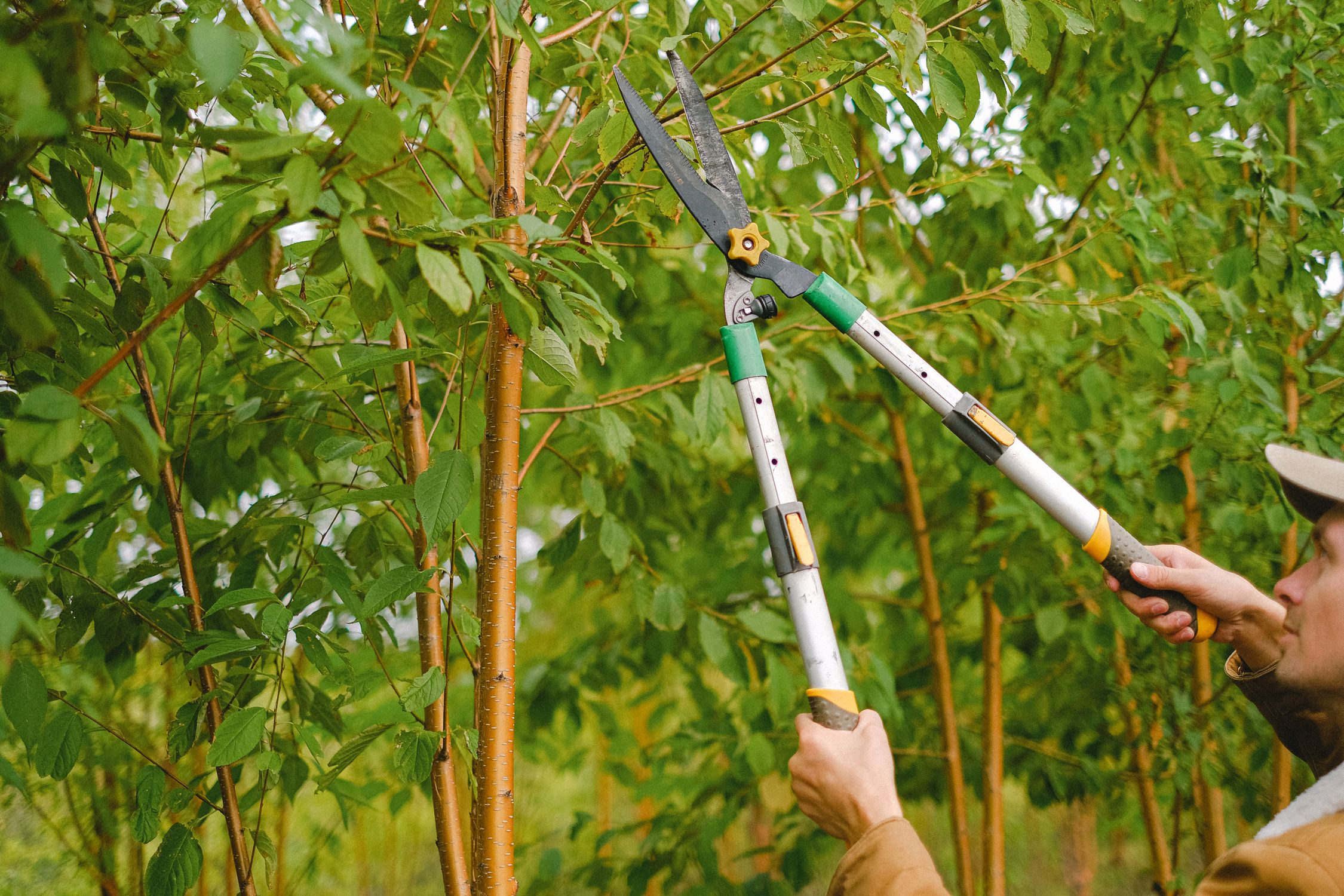
I have helped enough people book yard waste dumpster rentals that I can predict the follow-up call. It comes three days in: "Jake, the bin's full and I'm only halfway through." Then they ask for a swap. Sure — but that's a second haul fee on top of the first. The yard's not done, but at least I get to say "sounds like you bit off more than you could chew — literally, since that's a tree." My teenager does not find this funny. She is still wrong.
Here is the short answer: yard waste dumpster rental works well for most residential and landscaping cleanup jobs. Clean green waste — branches, leaves, brush, and grass — goes in most standard roll-offs. Dirt, rock, and sod weigh more than almost anyone expects, and some haulers treat them separately. The rules vary by disposal facility. What you ask before booking determines whether the job goes smoothly or ends in a surprise invoice.
TL;DR
Yard waste dumpster rental works for branches, brush, leaves, and grass clippings. Dirt, rock, and sod are weight problems — size for weight, not volume. Ask your provider what their facility accepts before you load anything.
What Actually Counts as Yard Waste
The phrase "yard waste" gets used loosely. Different haulers interpret it differently, and different disposal facilities handle it differently. Here is what typically falls in the category, and where the line starts to blur.
Usually included:
- Branches and limbs (up to a certain diameter — typically under 4 inches for most facilities)
- Leaves and leaf piles
- Grass clippings
- Shrubs and hedges
- Garden plants and perennials
- Tree brush and slash
Things that get more complicated:
- Sod: Organic, but very heavy. Most providers accept it; some charge per-yard rates on heavy material.
- Dirt and soil: Also heavy. Sometimes accepted in a standard roll-off, sometimes requires a separate container.
- Rock and gravel: Dense. Many providers charge a separate heavy-material rate or won't take it in a standard roll-off at all.
- Old wooden fencing: Not green waste. Treated lumber in particular cannot go to a composting or chipping facility — it goes in as construction debris.
- Tree stumps: Large stumps can push weight limits quickly. Confirm with your provider before loading one in.
The distinction that matters most is "clean green waste" versus "mixed debris." A container of nothing but leaves, grass, and brush is clean green waste. According to the EPA's composting guidance, yard trimmings can be diverted from landfills entirely through composting and chipping programs — many facilities route clean green loads this way. Add treated wood, concrete chunks, or household junk and the load becomes mixed debris, handled differently and priced differently.
I have seen providers turn loads away at the transfer station for mixed debris. That creates a problem for everyone. The cleanest loads are the ones where the customer asked upfront what the facility accepts. That conversation costs nothing.

Dirt, Rock, and Sod Are a Weight Problem, Not a Volume Problem
Standard roll-off containers have two limits: volume (cubic yards) and weight (tons). Most yard debris — leaves, branches, light brush — is bulky but not heavy. You fill the bin on volume. Dirt, rock, and sod are different. You hit the weight limit before you hit the volume limit. Sometimes well before.
Here are the honest numbers:
| Material | Weight per Cubic Yard | Risk Level |
|---|---|---|
| Dry leaves | 100–200 lbs | Volume fills before weight limit |
| Brush / loose branches | 200–400 lbs | Bulky; weight rarely the concern |
| Wet grass clippings | 1,000–1,500 lbs | Mid-range — watch mixed loads |
| Sod | 1,000–1,500 lbs | Weight limit before volume fills |
| Dry soil / dirt | 2,000–2,400 lbs | Hits weight limit at 20–30% full |
| Wet soil / clay | 2,700–3,000 lbs | Can max out at 10–15% full |
| Rock / gravel | 2,500–3,000 lbs | Almost always needs a lowboy |
One cubic yard of wet soil can weigh over 2,700 lbs. A standard 10-yard container includes a weight allowance of roughly 2–3 tons depending on the provider. Do the math: a 10-yard bin filled with wet dirt can hit its weight limit when it is between 20% and 40% full by volume.
Sod adds up fast. A typical residential sod removal of 1,000 square feet generates 3,000–5,000 lbs depending on the moisture content. That is at or over the weight limit for most 10-yard containers — before the bin looks even half full. (No one ever says "I have a lot of heavy sod to remove" until they are reading an invoice that says otherwise.)
The fix: call your provider and describe exactly what is going in. Say "I am removing about X square feet of sod" or "I have roughly Y cubic yards of gravel." Most providers can steer you to the right size and tell you the overage fee upfront. That conversation costs five minutes. The alternative costs more.
Storm Cleanup and Landscaping Are Different Jobs
A planned landscaping project and post-storm debris are not the same load, even if both look like branches and leaves going into the bin.
Landscaping removal is controlled. You know roughly what is coming out — shrubs, sod, existing mulch, old ornamental fencing. You can estimate the volume and weight before booking.
Storm debris is mixed and unpredictable. Downed trees include root balls still holding significant soil. Large branches come in at awkward angles that consume cubic footage inefficiently. Damaged fences — pressure-treated lumber — cannot go to a composting facility with the green waste. You may also have roofing material, insulation, or siding mixed in from outbuildings. That turns a green-waste job into a construction-debris job with different disposal requirements and often different pricing.
Book accordingly. Storm cleanup usually needs a larger container than it looks like at first glance. If a large tree came down, a 20-yard is the right starting point. Tell the provider there is a root ball involved so they can flag any weight concerns before delivery. Most can also handle swap-outs if the scope expands once you start clearing.

Sizing the Bin for Yard Debris
The right yard waste dumpster size depends on the material mix. Here is a starting point by project type.
| Project | Recommended Size | Notes |
|---|---|---|
| Seasonal leaf and brush cleanup | 10-yard | Light material; fills on volume |
| Shrub removal (10–15 shrubs) | 10-yard | Size up if root balls are large |
| Sod removal (up to 500 sq ft) | 10-yard (confirm weight) | Heavy — ask about the weight allowance |
| Full tree removal (medium tree) | 15–20-yard | Factor in root ball volume and soil |
| Major landscaping overhaul | 20-yard | Mixed light and heavy material |
| Storm cleanup (large downed tree) | 20-yard | Plan for mixed debris and root ball |
| Significant dirt or rock removal | Lowboy / specialty container | Standard roll-off weight limits apply |
A 10-yard of dry leaves is almost entirely a volume question. A 10-yard of wet sod is almost entirely a weight question. They look the same from the outside. They absolutely are not. For a full breakdown of roll-off sizing across all project types, this guide covers the complete size-to-project match.
What Some Haulers Won't Take
Some materials that look like yard waste are not accepted in a standard roll-off or at a green-waste disposal facility. Here is what to check before you load:
- Pressure-treated and painted wood: Old fencing, railroad ties, and painted timbers cannot go to a composting or grinding facility. They go in as construction debris, in a separate container.
- Invasive species: Some states and counties restrict hauling certain invasive plant species. Certain bamboo types and other spreaders may need to be bagged and disposed of separately. Check with your local cooperative extension office or the USDA APHIS plant health program if you are dealing with regulated species.
- Diseased wood under quarantine: Trees affected by regulated infestations like emerald ash borer may be subject to movement restrictions in some states. Confirm before hauling.
- Concrete, asphalt, and construction debris mixed in: Adding these to a yard-waste load often changes the entire disposal classification and fee.
- Animal waste and organic refuse: Neither belongs in a standard roll-off. (The raccoon situation at my rental yard in 2008 is also covered under this rule. We do not need to get into it.)
If you are not certain whether something is accepted, tell your provider before it goes in the container. Not after the driver arrives. Once restricted material is on site in the bin, your options narrow significantly and your bill does not.
For a full list of what cannot go in a roll-off regardless of project type, this guide covers the complete accepted and prohibited list.
Six Questions to Ask Before You Book
Yard waste rental has more variables than most debris types. These six questions take two minutes and save a lot of post-delivery friction:
1. Does your disposal facility accept green waste, or will this go in as a mixed-debris load? This determines whether your material can be composted or must go to a landfill. Mixed loads often cost more to dispose of.
2. What is the weight limit, and what do you charge per ton over? Standard overage fees run $50–$100 per ton above the included weight. For heavy material like sod and dirt, this number matters a lot more than the base rental rate.
3. Do you accept sod and dirt in the same container as green waste? Some providers separate these into a dedicated heavy-material container. Others take it mixed. Some apply per-yard surcharges on heavy material. Know before you load.
4. What counts as contamination for your facility? If clean green waste is your goal, ask what materials would disqualify the load from composting. Treated wood, plastic, and construction debris are the most common answers.
5. How do you classify storm debris? Mixed storm material — with fence posts, roofing, and mixed organics — often gets classified as construction debris, not yard waste. The disposal pricing can differ significantly from a clean green-waste load.
6. What is your overage policy and how will I be notified? Some providers call when the load is weighed at the facility. Others just invoice. Know the process before the container leaves your driveway.
The full breakdown of dumpster rental pricing covers how weight, size, and debris type all interact on the final bill.
Straight Answers
Can you put yard waste in a roll-off dumpster?
Yes. Clean green waste — branches, leaves, grass, shrubs — is accepted by most roll-off providers. The caveat is that not every facility handles green waste the same way. Some route it to composting or chipping; others send it to a landfill. Ask upfront whether your load will be treated as green waste or mixed debris, since it affects both the disposal fee and what you can include in the container.
How much does a yard waste dumpster rental cost?
A 10-yard yard waste rental typically runs $250–$450 per week. A 20-yard is generally $350–$600. The price depends on your location, the disposal facility's rates for green waste, and what is in the load. Always ask for a quote that includes the weight limit and overage rate — not just the rental fee. Those numbers together are the real price.
Can I mix yard waste with household junk in the same container?
You can, but the load will be classified and priced as mixed debris rather than green waste. That usually means higher disposal fees. If you have a significant volume of clean yard material, it is worth keeping it separate from household cleanout debris to avoid paying mixed-load rates on the entire container.
How heavy is sod per square foot?
Standard sod runs about 3–5 lbs per square foot with the soil base attached. Removing 500 square feet of sod generates 1,500–2,500 lbs. Removing 1,000 square feet can put you at or over the weight limit of a 10-yard container before it looks close to full. If sod is part of the job, size for weight rather than volume and confirm the included weight allowance before booking.
What yard waste will haulers not accept?
Pressure-treated and painted wood, concrete mixed with green material, invasive plant species in some counties, and diseased wood under state quarantine. Animal waste is also prohibited. When in doubt, describe the specific materials to your provider before anything goes in the container — not after delivery.
Is a 10-yard dumpster big enough for a full yard cleanout?
For light material — leaves, brush, shrub trimmings — usually yes. A 10-yard holds roughly three full pickup truck loads of loose debris. If sod, rock, or significant soil removal is part of the job, a 10-yard may hit its weight limit well before it looks full. Describe the full scope to your provider and let them steer you on the right size for the material mix.
Do I need a permit for a yard waste dumpster?
Not for driveway placement. If the container goes on a public street or right-of-way, a permit from your local public works or engineering department is typically required. The requirement depends on where the container sits, not what is in it. For the full rundown on permit requirements by location type, this guide covers permit rules in detail.
How long does it take to fill a 10-yard with yard debris?
A single-day landscaping project with a crew — removing shrubs, trimming trees, clearing brush — can fill a 10-yard in a few hours. A DIY yard cleanout over a weekend typically uses a day or two of loading. Yard waste loads faster than renovation debris because the material is loose and bulky. Standard rentals run 7–10 days, which is more than enough for most residential yard jobs.
Yard waste dumpster rental is one of the few jobs where the biggest risk is not what goes in — it is what you assumed could go in. Ask the questions first. Fill the bin second. And if a large oak came down in last night's storm and you are about to book a 10-yard, I would appreciate a small nod of gratitude that we had this conversation first.
Frequently Asked Questions
- Can you put yard waste in a roll-off dumpster?
- Yes. Clean green waste — branches, leaves, grass, shrubs — is accepted by most roll-off providers. The caveat is that not every facility handles green waste the same way. Some route it to composting or chipping; others send it to a landfill. Ask upfront whether your load will be treated as green waste or mixed debris, since it affects both the disposal fee and what you can include.
- How much does a yard waste dumpster rental cost?
- A 10-yard yard waste rental typically runs $250–$450 per week. A 20-yard is generally $350–$600. The price depends on your location, the disposal rates for green waste, and what is in the load. Always ask for a quote that includes the weight limit and overage rate — not just the rental fee.
- Can I mix yard waste with household junk in the same container?
- You can, but the load will be classified and priced as mixed debris rather than green waste. That usually means higher disposal fees. If you have a significant volume of clean yard material, keep it separate from household cleanout debris to avoid paying mixed-load rates on the entire container.
- How heavy is sod per square foot?
- Standard sod runs about 3–5 lbs per square foot with the soil base attached. Removing 500 square feet of sod generates 1,500–2,500 lbs. A 1,000-square-foot sod removal can put you at or over the weight limit of a 10-yard container before it looks close to full. Size for weight rather than volume when sod is involved.
- What yard waste will haulers not accept?
- Pressure-treated and painted wood, concrete mixed with green material, invasive plant species in some counties, and diseased wood under state quarantine. Animal waste is also prohibited. Describe your specific materials to your provider before anything goes in the container — not after delivery.
- Is a 10-yard dumpster big enough for a full yard cleanout?
- For light material — leaves, brush, shrub trimmings — usually yes. A 10-yard holds roughly three full pickup truck loads of loose debris. If sod, rock, or significant soil removal is part of the job, a 10-yard may hit its weight limit before it looks full. Describe the full scope to your provider and let them steer you on the right size.
- Do I need a permit for a yard waste dumpster?
- Not for driveway placement. If the container goes on a public street or right-of-way, a permit from your local public works department is typically required. The requirement depends on where the container sits, not what is in it. Check with your municipality before scheduling street placement.
- How long does it take to fill a 10-yard with yard debris?
- A single-day landscaping project with a crew can fill a 10-yard in a few hours. A DIY yard cleanout over a weekend typically uses a day or two of loading. Yard waste loads faster than renovation debris because the material is loose and bulky. Standard rentals run 7–10 days, which is more than enough for most residential yard jobs.
Ready to Find the Best Price?
Compare quotes from vetted local companies. No hidden fees, no oversized containers.
Get a Free Quote