Garage Cleanout Dumpster Rental: What Size Makes Sense for Years of Stuff
Jake Harlow
July 3, 2026 · 8 min read
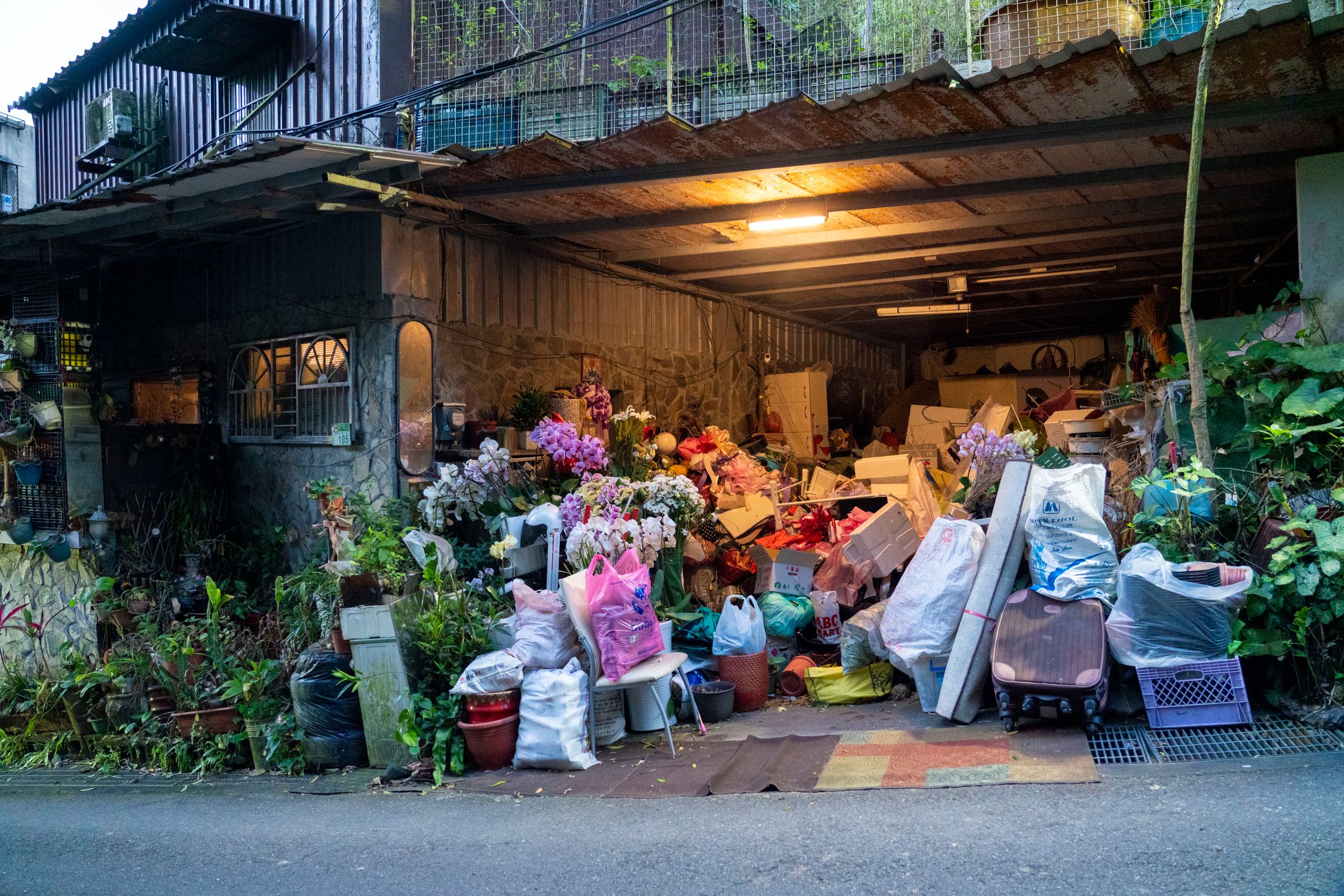
Most garage cleanouts fit a 10-yard container. (Every garage cleanout also has a moment when you unearth the bread machine and briefly reconsider the whole project. Push through.) If the garage is a two-car space that has not seen a car since the previous decade, step up to a 15 or 20. If it is an estate situation — inherited property, twenty or thirty years of accumulation — start with the 20 and do not look surprised when it fills fast.
This guide covers how to size a container for a garage cleanout, what you can and cannot put in, when junk removal makes more sense than a dumpster, and what to do about the paint cans in the corner. (We will get to those.)
Quick match
- One-car garage, light cleanout: 10-yard
- One-car garage, years of accumulation: 10–15 yard
- Two-car garage: 15–20 yard
- Estate or inherited garage, heavy accumulation: 20-yard minimum
- If you need labor to carry things out: Consider junk removal instead
Sizing by Garage Type
A single-car garage used for actual car storage and reasonable overflow typically needs a 10-yard container for a cleanout. That is about three full pickup truck loads of loose debris — boxes, old furniture, tools, sports equipment, lawn chairs, and the obligatory collection of paint cans that predate your current vehicle.
A two-car garage that has been used for storage rather than parking for any significant stretch almost always needs a 15- or 20-yard container. The extra square footage means more volume, and garages used as storage tend to accumulate in layers — front stuff from last year, middle stuff from five years ago, back stuff from somewhere around the Clinton administration. The 10-yard will fill and you will need a second pull, which costs more than booking the right size upfront.
Estate and inherited property situations are their own category. A garage that has been accumulating for 20 or 30 years — or one where you are clearing out a property before a sale — often needs a 20-yard regardless of the physical size of the garage. The volume of accumulated furniture, tools, boxes, and miscellaneous items surprises people every time. When in doubt, go one size larger than your first estimate. A second haul is the most expensive outcome of undersizing. The estate cleanout guide covers the full picture for inherited property situations.

What Goes In (and What Fills a Bin Fast)
Garage debris is almost entirely on the accepted list for standard residential roll-offs. Old furniture, cardboard boxes, tools, broken shelving, sports equipment, yard equipment, broken appliances, lumber scraps, renovation leftovers, and general junk all load cleanly into a standard container without issue.
Furniture and shelving. Wooden shelving units, workbenches, and old furniture are bulky but relatively light. They fill the bin visually faster than they fill it by weight. If the garage is mostly furniture and boxes, a 10-yard holds more than people expect.
Yard equipment. Riding mowers, push mowers, generators, and pressure washers are accepted in most roll-offs but should have fluids drained first. Gasoline, oil, and other fluids are prohibited even in small amounts. Drain the equipment before it goes in. The equipment itself is fine.
Appliances. Old refrigerators, washers, dryers, freezers, and water heaters are accepted by many but not all rental companies. Some charge an additional appliance fee. Some require refrigerant removal from refrigerators before accepting them — this is sometimes a legal requirement. Ask your provider before loading any appliances.
Lumber and construction leftovers. Scrap lumber, old flooring, drywall pieces, and leftover building materials are fine in a standard roll-off. If there is significant masonry, tile, or concrete mixed in, that changes the weight calculation. Tell your provider if there is substantial heavy material so the weight allowance reflects what is actually going in.
What Stays Out: Hazardous Materials and Common Exceptions
Garages are where household hazardous materials accumulate. This section is the one most people skip and most need to read before the container arrives.
| Item | Status in Most Roll-Offs | What to Do Instead |
|---|---|---|
| Paint (liquid) | Prohibited | Local household hazardous waste collection event or drop-off facility |
| Paint (fully dried in can) | Often accepted | Add sand or kitty litter to speed drying; confirm with your provider |
| Gasoline, motor oil, solvents | Prohibited | Auto parts stores accept used motor oil; HHW programs for others |
| Propane tanks | Prohibited | Hardware store exchange programs or local HHW facility |
| Car batteries / lead-acid batteries | Prohibited | Auto parts stores accept them at no charge — call ahead to confirm |
| Electronics (TVs, computers) | Often prohibited or extra fee | Local e-waste recycling or municipal drop-off |
| Tires | Often prohibited | Tire retailers typically accept them for a small recycling fee |
| Pesticides, fertilizers, chemicals | Prohibited | HHW collection events; many accept these at no charge |
The EPA’s household hazardous waste program includes a search tool for local collection events and drop-off facilities. Most counties run at least one per year at no charge. Sort these items before the dumpster arrives rather than discovering a prohibited item mid-cleanout. The full rundown of what does and does not go in a roll-off is in the accepted materials guide.

When Junk Removal Makes More Sense
A dumpster rental is the right call when you have the time and the ability to do the loading yourself. You save money because you do the work. The container sits in the driveway for a week or two while you sort and load at your own pace. That works for most garage cleanouts where you can physically do the loading.
Junk removal makes more sense in three situations. First: you need labor. Junk removal crews show up, carry everything out, and haul it away — useful when items are heavy, when you are managing the cleanout remotely, or when you physically cannot do the loading. Second: the volume is small. A handful of items — a couch, two appliances, a few boxes — will likely cost less through junk removal than a dumpster rental. Third: access issues. No driveway for the container, or an HOA that prohibits placement, sometimes makes junk removal the only practical option.
The rough break-even point is around one to two pickup truck loads of material. Below that, junk removal often wins on cost and convenience. Above that, the dumpster almost always wins on cost. The junk removal vs. dumpster rental guide walks through the math in more detail if you are on the fence.
Driveway Placement, HOA Restrictions, and Permits
A dumpster in the driveway is the simplest setup. The driver backs the truck in, sets the container on two steel rails, and leaves. For the typical suburban single-family home with a driveway, this works without complications. If you want to protect the driveway surface, ask for boards under the rails when you book.
HOA communities add one step. Some HOAs prohibit dumpsters in driveways or any container visible from the street. Some require board approval before placement. Check your CC&Rs or submit a quick request before booking rather than after the container arrives.
If the container goes on the street because there is no usable driveway, most municipalities require a permit for right-of-way placement. Some issue permits quickly online. Others require several days’ notice. Rules vary widely by city. The dumpster permit guide explains how to check what your city requires.
For a broader look at home cleanouts beyond the garage, the home cleanout dumpster rental guide covers room-by-room sizing and what the full project typically takes. For what the rental costs and what moves the price, the cost guide covers the variables.
Straight Answers
What size dumpster do I need for a garage cleanout?
A one-car garage in reasonable condition typically fits a 10-yard container. A two-car garage used for storage rather than parking usually needs a 15 or 20. Estate and inherited property garages with heavy accumulation often need a 20-yard minimum. When in doubt, go one size up — a second haul fee costs more than the incremental price of a larger container booked upfront.
Can I put old appliances in a garage cleanout dumpster?
Many rental companies accept appliances in their standard containers. Some charge an extra appliance fee. Refrigerators may require refrigerant removal before acceptance — sometimes required by law. Ask your provider specifically about appliances before booking. Also drain any equipment with a fuel tank before it goes in.
What do I do with paint cans from the garage?
Liquid paint is prohibited in roll-off containers. Fully dried paint in a can is often accepted — add sand or kitty litter to speed drying if the cans are partially used. For liquid paint and hazardous materials, check your county for household hazardous waste collection events. Most counties run at least one per year at no charge.
How long can I keep a dumpster for a garage cleanout?
Standard rental periods run 7–10 days. Most garage cleanouts finish within that window. If you are working through an estate or sorting over multiple weekends, ask about extended rental rates at booking. Daily extensions typically run $5–$15 per day — cheaper when arranged upfront than mid-rental.
Can I put tires and batteries from the garage in the dumpster?
Tires and car batteries are prohibited in most roll-off containers. Tire retailers typically accept old tires for a small recycling fee. Auto parts stores accept lead-acid batteries at no charge. Handle these separately before the bin arrives to avoid any problem at pickup.
Do I need a permit for a garage cleanout dumpster?
Usually not, if the container sits in your driveway. Street placement requires a city or county permit in most municipalities. HOA communities may also have approval requirements. Check before booking, not after the driver arrives.
Should I sort items before the dumpster arrives?
It helps. Pull out obvious keep items, donation items, and prohibited materials before the bin shows up. That way prohibited items do not create a problem at pickup and keep items do not end up in the bin by accident. Tools and sporting equipment in good condition often move quickly on local resale platforms — worth checking before they go in.
The garage has witnessed everything you owned, forgot about, and owned again by accident. One well-sized container and a free weekend sorts out most of it. Just deal with the paint cans before the driver arrives.
Frequently Asked Questions
- What size dumpster do I need for a garage cleanout?
- A one-car garage typically fits a 10-yard container. A two-car garage used for storage rather than parking usually needs a 15 or 20. Estate and inherited garages with heavy accumulation often need a 20-yard minimum. When in doubt, go one size up — a second haul fee costs more than the incremental price of a larger container booked upfront.
- Can I put old appliances in a garage cleanout dumpster?
- Many rental companies accept appliances in standard containers. Some charge an extra appliance fee. Refrigerators may require refrigerant removal before acceptance. Ask your provider specifically about appliances before booking, and drain any equipment with a fuel tank before it goes in the bin.
- What do I do with paint cans from the garage?
- Liquid paint is prohibited in roll-off containers. Fully dried paint in a can is often accepted — add sand or kitty litter to speed drying. For liquid paint and hazardous materials, check your county for household hazardous waste collection events. Most counties run at least one per year at no charge.
- How long can I keep a dumpster for a garage cleanout?
- Standard rental periods run 7–10 days. Most garage cleanouts finish within that window. If you're working through an estate or sorting over multiple weekends, ask about extended rental rates at booking. Daily extensions typically run $5–$15 per day, cheaper when arranged upfront.
- Can I put tires and batteries from the garage in the dumpster?
- Tires and car batteries are prohibited in most roll-off containers. Tire retailers accept old tires for a small recycling fee. Auto parts stores accept lead-acid batteries at no charge. Handle these separately before the bin arrives to avoid any problem at pickup.
- Do I need a permit for a garage cleanout dumpster?
- Usually not, if the container sits in your driveway. Street placement requires a city or county permit in most municipalities. HOA communities may have approval requirements. Check before booking, not after the driver arrives.
- Should I sort items before the dumpster arrives?
- It helps. Pull out keep items, donation items, and prohibited materials before the bin shows up. That way prohibited items don't cause a problem at pickup and keep items don't end up in the bin by accident. Tools and sporting equipment in good condition often move quickly on local resale platforms.
Ready to Find the Best Price?
Compare quotes from vetted local companies. No hidden fees, no oversized containers.
Get a Free Quote