Bathroom Remodel Dumpster Rental: Tile, Tubs, Drywall, and Weight Limits
Jake Harlow
July 3, 2026 · 9 min read
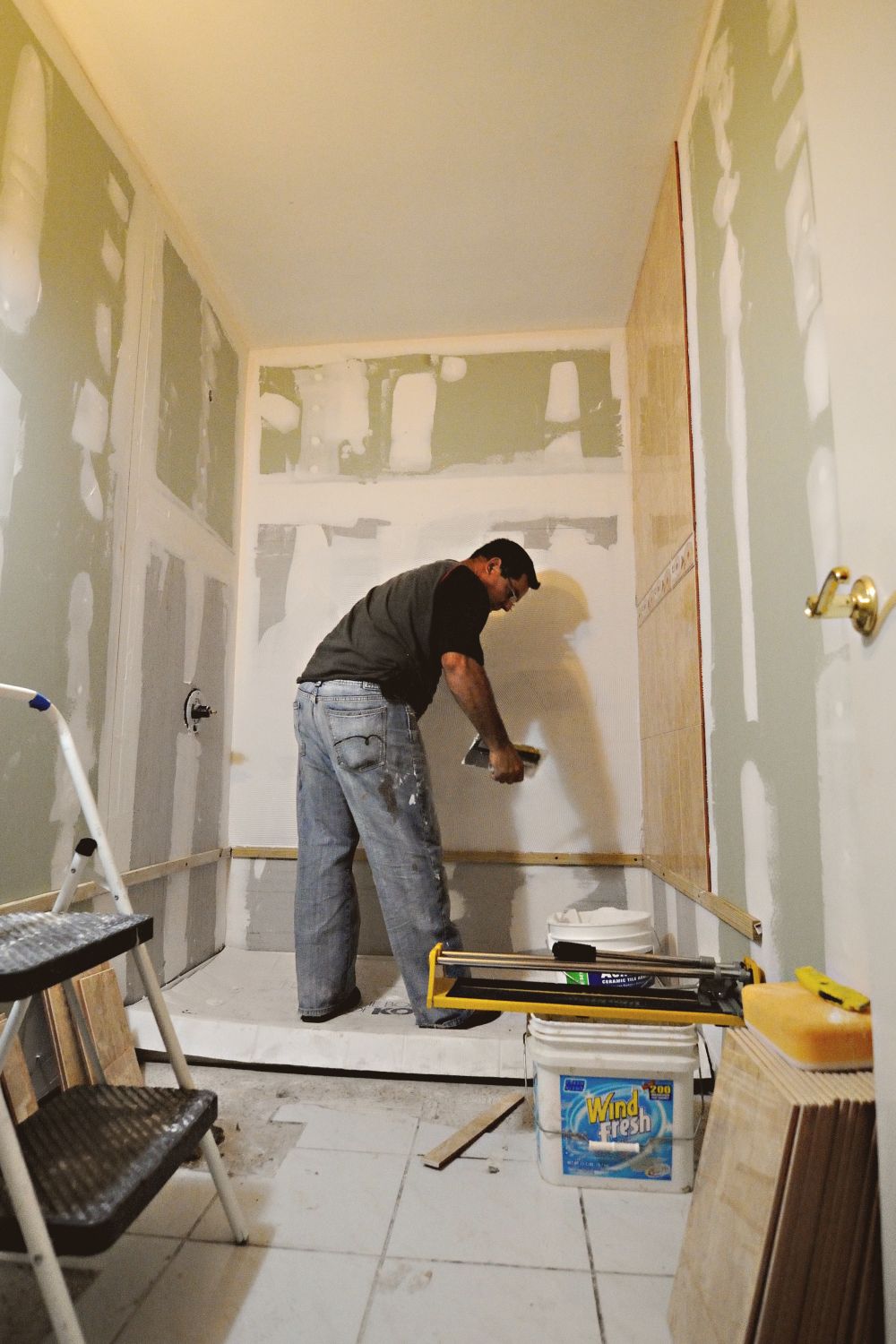
Bathroom remodels generate more debris per square foot than almost any other room in the house. A 50-square-foot bathroom can produce half a ton of tile, cement board, drywall, and fixtures without trying particularly hard. (The tub alone, if it is cast iron, can weigh 300–500 lbs. Someone in the 1960s was definitely not thinking about resale.) Most single-bathroom remodels fit a 10-yard container. Heavy tile jobs and full master bath guts sometimes call for a 20.
This guide covers how to size a container for a bathroom remodel, which materials get heavy fast, when the job outgrows a 10-yard, and what to think about for condos and townhomes where placement is more complicated than a standard driveway drop.
Quick match
- Half bath renovation: 10-yard — or a haul-away trip if the scope is minimal
- Full bath, standard tile and drywall: 10-yard
- Master bath, heavy tile, cast iron tub: 10–20 yard depending on scope
- Multiple bathrooms simultaneously: 20-yard or step up
- Older home with plaster walls: Go one size up from your initial estimate
Matching Bathroom Size to Container Size
The right container for a bathroom remodel depends on scope more than square footage. A half bath with a toilet and vanity swap generates a fraction of the debris of a master bath gut that includes tile floors, a walk-in shower, a double vanity, drywall, and a cast iron soaking tub. Same category, very different weight and volume.
Half bath renovation. A toilet, vanity, maybe a floor tile update. If there is no structural or wall work, the debris often fits in a haul-away trip rather than a roll-off rental. If you do rent a container, a 10-yard handles it with room to spare for other small projects you want to clear out at the same time.
Full bath, standard scope. Tile floor, tub surround tile, drywall or cement board, vanity, toilet, fixtures. This is a 10-yard job for most single bathrooms. The volume is manageable and the weight, while meaningful from tile and cement board, typically stays within a standard weight allowance for a residential 10-yard container.
Master bath gut. Full tile replacement including large-format floor tile, walk-in shower tiled to the ceiling, cement board throughout, double vanity, possibly a freestanding tub. This is where a 10-yard starts to run out or get heavy before it is full. A 20-yard gives you margin. If the scope includes adjacent closet or bedroom wall changes, the 20-yard is the right starting point.
Multiple bathrooms at once. Two or three bathrooms being gutted simultaneously almost always need a 20-yard. Three standard baths at the same time will easily fill a 10-yard and put you in second-haul territory if you start with the smaller container.
What Gets Heavy: Tile, Cement Board, Tubs, and Plaster
Bathroom debris is deceptively heavy. Materials that look manageable on the way out often weigh considerably more than they appear. Knowing the numbers before loading helps set the weight allowance conversation correctly at booking.
| Material | Approximate Weight | Notes |
|---|---|---|
| Ceramic / porcelain floor tile | 6–9 lbs per sq ft | 100 sq ft of tile = 600–900 lbs, before grout |
| Cement board backer | 3–5 lbs per sq ft | Runs beneath tile in most wet areas |
| Thinset mortar (adhered) | Adds 2–4 lbs per sq ft | Mortar bonded to tile and substrate adds meaningful weight |
| Drywall (1/2” standard) | ~2.3 lbs per sq ft | Much lighter than tile; rarely the weight problem in a bathroom gut |
| Cast iron tub | 300–500 lbs | Requires at least two people; confirm your provider accepts it |
| Acrylic / fiberglass tub | 50–100 lbs | Light; no weight concern |
| Toilet | 60–100 lbs | Accepted by most providers; drain completely before loading |
| Vanity (wood cabinet) | 75–200 lbs | Varies by size; stone countertops add significant weight |
A useful estimate: a full bath gut with tile floor, tiled shower surround, cement board backing, a vanity, and a standard acrylic tub often generates 1,500–2,500 lbs from the tile and cement board alone, before adding fixtures, drywall, and trim. A standard residential 10-yard container with a 2-ton weight allowance can handle that. A container with a 1-ton limit cannot — and that is the conversation to have at booking, not at invoice time.

Modern Drywall vs. Plaster Walls in Older Homes
If the bathroom was built before roughly 1950–1960, the walls may be genuine plaster over wood or metal lath rather than modern drywall. The distinction matters because plaster is substantially heavier — roughly twice the weight of equivalent drywall by volume. A bathroom gut that looks like a drywall job by cubic yards may carry the weight of twice as much material.
Plaster also comes off in irregular chunks rather than clean sheets. It fills a container with more air space between pieces, which means you may hit a weight limit before the bin looks visually full. If the home was built before 1960 and the walls are solid plaster, tell your rental provider before booking. The weight allowance should account for what is actually going in.
One additional note for pre-1978 homes: lead paint was common in that era. Demolition work that disturbs painted surfaces in older bathrooms may create lead dust. The debris itself — plaster and drywall with lead-based paint — is generally accepted in standard roll-offs, but confirm with your provider. Some jurisdictions have specific handling requirements for lead-paint debris. Test before demoing if the home predates 1978 and you are unsure.
When a 10-Yard Is Enough (and When It Is Not)
The 10-yard handles most single-bathroom remodels. It holds about three pickup truck loads of loose debris and manages a standard scope gut — tile, drywall or cement board, fixtures, vanity, and a standard tub — without pushing weight limits significantly. If the bathroom is one room and the scope does not expand mid-project, the 10-yard is almost certainly right. The 10-yard dumpster rental guide covers weight limits and use cases in detail.
The 10-yard starts to run short in a few specific situations:
- A master bath with large-format tile throughout — floor, shower walls, and niche — where tile volume and weight together push toward a 20-yard
- Plaster walls in a pre-1960 home, where demo debris weighs roughly twice as much per cubic foot as modern drywall
- A cast iron tub plus significant tile — the tub alone adds 300–500 lbs to an already substantial load
- Any project that expands in scope mid-demo, which is not uncommon once walls open up
When the 10-yard is borderline, a 20-yard provides margin without significant cost penalty in most markets. The difference between a 10 and a 20 is usually $50–$150 per week depending on location. That gap closes fast against the cost of a second haul or an overweight fee. The 20-yard dumpster rental guide covers when stepping up makes sense.
The 30-yard is rarely the right container for a single bathroom remodel. It makes sense when the bathroom is one part of a larger whole-home renovation. If the entire project is the bathroom, the 30 gives you volume you will not use at a price that does not pencil out. The full sizing guide covers all the thresholds. For the weight angle on heavy bathroom materials specifically, the concrete and heavy debris guide is worth a read before booking if your job has significant tile or masonry.
Condos, Townhomes, and HOA Placement Concerns
Single-family homes with driveways are the simplest dumpster placement scenario. Condos and townhomes are more complicated, and the placement question should come before booking rather than after the container is already on its way.
Condo buildings. Ground-floor units sometimes have patio or exterior access where a small container can be placed. Above-ground units typically have no way to get a roll-off close to the unit. In those cases, the container often needs to go in a parking lot or loading area, which may require building management approval and a municipal permit. Debris then needs to be carried from the unit to the container — manageable but worth planning before demo starts. Check with building management before booking.
Townhomes. A townhome with a private driveway can usually accommodate a container the same way a single-family home can. A townhome without a private driveway — shared parking only — falls into the same situation as a condo. Check whether the HOA permits container placement in shared parking areas and whether the municipality requires a permit.
HOA communities. Some HOAs prohibit visible dumpsters or require approval before placement. Others have no restrictions at all. A quick check of your CC&Rs or a call to property management before booking takes five minutes and avoids a problem on delivery day. Most HOA approvals for short-term renovation projects come through quickly.
If the container ends up on a public street rather than private property, a permit is typically required. The permit guide covers how requirements vary by city. For what a bathroom remodel dumpster costs and what moves the price, the cost guide covers the variables.
Straight Answers
What size dumpster do I need for a bathroom remodel?
Most single-bathroom remodels fit a 10-yard container. Master baths with heavy tile, cement board, and a cast iron tub often work better in a 20-yard. Multiple bathrooms gutted simultaneously almost always need a 20-yard. Go one size up if you are working in a pre-1960 home with plaster walls — it weighs more than it looks.
Is a 10-yard dumpster big enough for a bathroom gut?
Usually yes for a single standard bathroom. The 10-yard handles most bathroom guts without issue. The exception is heavy tile jobs with significant cement board, plaster walls, and cast iron tubs. Confirm the weight allowance with your provider if the debris is primarily tile and cement board rather than drywall and light fixtures.
How heavy is bathroom tile and cement board?
Ceramic and porcelain floor tile typically runs 6–9 lbs per square foot. Cement board backer adds another 3–5 lbs per square foot. A bathroom with 100 square feet of tile and full cement board can generate 900–1,400 lbs from those two materials alone. Add thinset, grout, and fixtures and the total adds up fast for a room that does not look large.
Can I put a cast iron tub in a dumpster?
Usually yes, but confirm with your provider first. Cast iron tubs weigh 300–500 lbs, which is a significant addition to the weight allowance. Most companies accept them. Some charge a separate oversized item fee. The bigger logistical challenge is getting a 400-lb tub out of an upstairs bathroom — that requires planning before it touches the bin.
What cannot go in a bathroom remodel dumpster?
Hazardous materials are prohibited: liquid paint, solvents, and construction chemicals. The debris itself — tile, drywall, plaster, fixtures, vanities, toilets, and flooring — is accepted in standard roll-offs. Asbestos-containing materials, which can appear in pre-1980 floor tile mastic and vinyl flooring, require specialized disposal. Test before demoing any 1970s-era or older bathroom flooring.
Do I need a permit for a bathroom remodel dumpster?
Not usually, if the container sits in your driveway. Street placement requires a permit in most cities. Condo and townhome placement in shared areas may require building management approval or a municipal permit. The requirement depends on where the container goes, not what is in it.
How long will I need the dumpster for a bathroom remodel?
Most bathroom demo generates debris over the first two to three days of work, then sporadically. A standard 7–10 day rental covers most single-bathroom projects. If the project is multi-phase or part of a larger renovation, ask about extension rates at booking. Daily extensions typically run $5–$15 per day.
Can I mix bathroom debris with other renovation debris?
Yes. Mixed loads of tile, drywall, fixtures, and general renovation debris are accepted by most providers. The weight limit applies across the whole load. If you are mixing heavy bathroom tile with lighter material from other rooms, the tile will dominate the weight calculation. Tell your provider what is going in before delivery.
Bathroom debris has a way of weighing more than the room implies. Size the container by what you are tearing out, not by the square footage on the floor plan. The tile, the cement board, and the tub that has been there since before Carter was president will fill a bin faster than the room suggests. Plan the weight conversation at booking, not at invoice time.
Frequently Asked Questions
- What size dumpster do I need for a bathroom remodel?
- Most single-bathroom remodels fit a 10-yard container. Master baths with heavy tile, cement board, and a cast iron tub often work better in a 20-yard. Multiple bathrooms gutted simultaneously almost always need a 20-yard. Go one size up if you are working in a pre-1960 home with plaster walls — it weighs more than it looks.
- Is a 10-yard dumpster big enough for a bathroom gut?
- Usually yes for a single standard bathroom. The 10-yard handles most bathroom guts without issue. The exception is heavy tile jobs with significant cement board, plaster walls, and cast iron tubs. Confirm the weight allowance with your provider if the debris is primarily tile and cement board rather than drywall and light fixtures.
- How heavy is bathroom tile and cement board?
- Ceramic and porcelain floor tile typically runs 6–9 lbs per square foot. Cement board backer adds another 3–5 lbs per square foot. A bathroom with 100 square feet of tile and full cement board can generate 900–1,400 lbs from those two materials alone. Add thinset, grout, and fixtures and the total adds up fast for a small room.
- Can I put a cast iron tub in a dumpster?
- Usually yes, but confirm with your provider first. Cast iron tubs weigh 300–500 lbs, which is a significant addition to the weight allowance. Most companies accept them. Some charge a separate oversized item fee. The bigger logistical challenge is getting a 400-lb tub out of an upstairs bathroom — that requires planning before it touches the bin.
- What cannot go in a bathroom remodel dumpster?
- Hazardous materials are prohibited: liquid paint, solvents, and construction chemicals. The debris itself — tile, drywall, plaster, fixtures, vanities, toilets, and flooring — is accepted in standard roll-offs. Asbestos-containing materials, which can appear in pre-1980 floor tile mastic and vinyl flooring, require specialized disposal. Test before demoing any 1970s-era or older bathroom flooring.
- Do I need a permit for a bathroom remodel dumpster?
- Not usually, if the container sits in your driveway. Street placement requires a permit in most cities. Condo and townhome placement in shared areas may require building management approval or a municipal permit. The requirement depends on where the container goes, not what is in it.
- How long will I need the dumpster for a bathroom remodel?
- Most bathroom demo generates debris over the first two to three days, then sporadically. A standard 7–10 day rental covers most single-bathroom projects. If the project is multi-phase or part of a larger renovation, ask about extension rates at booking. Daily extensions typically run $5–$15 per day.
- Can I mix bathroom debris with other renovation debris?
- Yes. Mixed loads of tile, drywall, fixtures, and general renovation debris are accepted by most providers. The weight limit applies across the whole load. If you're mixing heavy bathroom tile with lighter material from other rooms, the tile dominates the weight calculation. Tell your provider what is going in before delivery.
Ready to Find the Best Price?
Compare quotes from vetted local companies. No hidden fees, no oversized containers.
Get a Free Quote